Recovery after a neurological injury or diagnosis often begins with uncertainty. Whether someone is healing after a stroke, traumatic brain injury, or spinal cord injury, or learning to manage conditions like Parkinson's disease or multiple sclerosis, rehabilitation plays an important role in helping people regain function and confidence. Learn more about who can benefit from neuro rehab.
Today's neurorehabilitation programs combine advances in neuroscience with evidence-based therapies that are more targeted and personalized than ever before. Many of these approaches are built around neuroplasticity, the brain and nervous system's ability to adapt and form new neural connections after injury. Research suggests that repetitive, meaningful practice can strengthen these pathways and support improvements in movement, communication, and daily function.¹ ²
Rather than relying on a single treatment, stroke rehabilitation may combine different techniques to help patients work toward meaningful recovery goals. The approaches below are examples of advanced neurorehabilitation techniques that therapists may consider based on a patient’s diagnosis and goals. Services vary by location, and not every center offers every approach, including specialized techniques such as constraint-induced movement therapy. A patient’s care team can explain which services are available and appropriate for them.
1. Constraint-Induced Movement Therapy
After a neurological injury, it is common for patients to rely almost entirely on their stronger arm or hand. Over time, this can limit recovery of the weaker side.
Constraint-Induced Movement Therapy (CIMT) addresses this by gently restricting the stronger limb during therapy sessions while encouraging repeated use of the affected arm or hand. Although challenging at first, repeated practice helps promote neuroplasticity and improve use of the affected limb. ³
CIMT is commonly used for patients recovering from stroke or traumatic brain injury who have some movement in the affected arm. Therapy may include tasks such as:
- Picking up everyday objects
- Buttoning clothing
- Eating with utensils
- Writing or using household items
Studies have shown that CIMT can improve arm function and increase the use of the affected limb during everyday activities, with benefits that often continue after formal therapy has ended. ³
2. Functional Electrical Stimulation
Sometimes the brain knows what movement it wants to make, but the signal cannot effectively reach weakened muscles.
Functional Electrical Stimulation (FES) uses carefully controlled electrical impulses to activate specific muscles during therapy. When combined with purposeful movement, FES may improve muscle activation and support functional movement during rehabilitation. ²
FES may be incorporated into rehabilitation to:
- Improve hand and arm function
- Assist with walking
- Reduce muscle weakness
- Improve muscle activation during exercise
3. Mirror Therapy
Mirror therapy is one of the simplest advanced neurorehabilitation techniques, yet research suggests it can be highly effective for certain patients. ⁴
During treatment, a mirror is placed so the reflection of the healthy limb appears where the affected limb would normally be. As patients move the stronger limb, the brain perceives both sides moving normally.
This visual feedback activates areas of the brain involved in motor control and may encourage recovery of movement through neuroplastic changes. ⁴
Mirror therapy is frequently used after stroke and may help improve:
- Arm movement
- Hand coordination
- Motor planning
- Certain types of neurological pain
Because it requires minimal equipment, therapists may also teach patients how to safely continue mirror therapy exercises at home when appropriate.
4. Robotic-Assisted Rehabilitation
Robotic technology has become an increasingly valuable tool in neurorehabilitation. While robots do not replace therapists, they allow patients to perform hundreds of highly repetitive, precisely guided movements during a single therapy session.
For example, robotic systems may help patients:
- Practice reaching and grasping movements
- Improve arm coordination
- Relearn walking patterns
- Build endurance through repetitive practice
This high number of repetitions is important because repetition helps reinforce new neural pathways involved in learning movement. ²
The therapist remains actively involved by adjusting the level of assistance, monitoring progress, and ensuring exercises match the patient's abilities and goals.
5. Virtual Reality Therapy
Virtual reality is no longer limited to entertainment. Many rehabilitation programs now use immersive or interactive systems that encourage patients to practice movements while completing engaging tasks.
Instead of repeating the same exercise dozens of times, a patient might:
- Reach for virtual objects
- Navigate simulated environments
- Play balance-based games
- Practice stepping over virtual obstacles
Virtual environments can safely challenge coordination, balance, and reaction time while providing immediate feedback on performance.
Research suggests virtual reality may improve motivation and increase participation because therapy feels more engaging while still targeting meaningful rehabilitation goals. ²
6. Body Weight Supported Gait Training
Regaining the ability to walk is one of the biggest milestones for many people recovering from a neurological injury or illness.
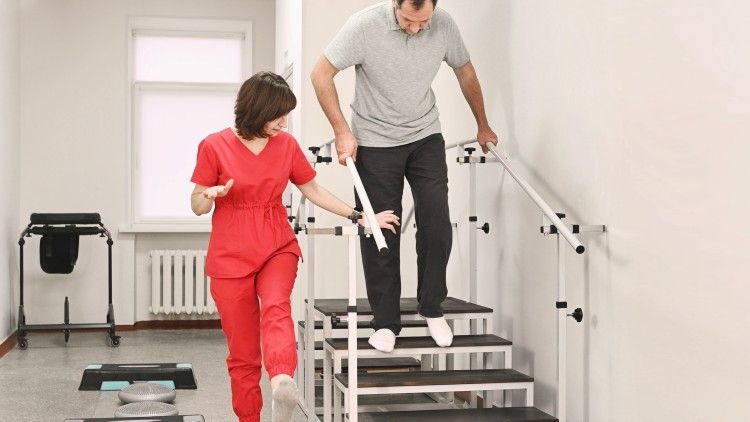
Gait training often begins long before someone is able to safely walk on their own. Body weight supported systems use an overhead harness to partially support a patient's weight while therapists guide walking movements.
This approach offers several benefits:
- Earlier walking practice after injury
- Reduced fear of falling
- Improved walking mechanics
- More opportunities for repetitive stepping
As strength and balance improve, support is gradually reduced until patients are able to walk more independently.
Combined with traditional physical therapy and balance training, this technique helps patients build confidence while improving endurance and mobility.
7. Technology for Cognitive Rehabilitation
Neurological conditions affect more than movement. Many people experience changes in attention, memory, problem solving, or concentration.
Modern cognitive rehabilitation often incorporates computer-based programs and interactive activities that adapt to a patient's progress. Exercises may target:
- Short-term memory
- Sustained attention
- Executive functioning
- Processing speed
- Problem solving
Therapists often combine these exercises with real-world tasks so improvements carry over into everyday life, such as managing medications, preparing meals, or organizing appointments.
When paired with speech therapy, these interventions can also support communication, language, and higher-level thinking skills after neurological injury. ¹
8. Assistive Technology for Greater Independence
As recovery progresses, assistive technology helps bridge the gap between rehabilitation and daily living.
Depending on an individual's needs, this may include:
- Adaptive utensils for eating
- Smart home controls
- Communication devices
- Electronic medication reminders
- Mobility equipment
- Wearable devices that monitor movement
These technologies support greater independence while making everyday tasks safer and more manageable.
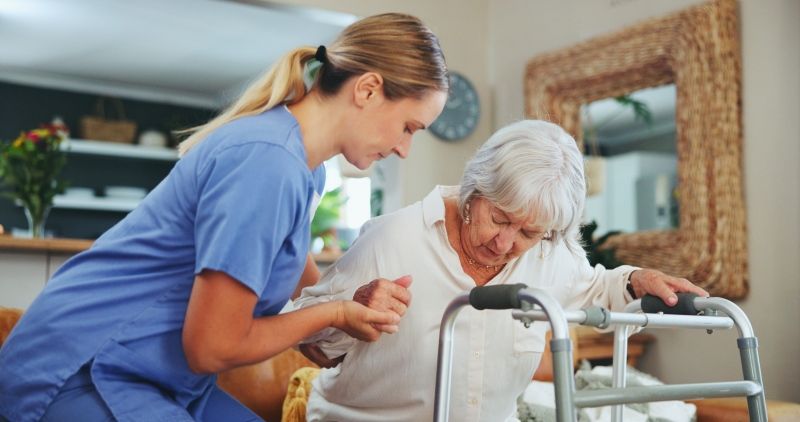
Occupational therapists often recommend and train patients to use these tools while practicing activities of daily living, such as dressing, cooking, bathing, and managing household routines.
Bringing it all Together
No single therapy is the answer for every patient. The greatest benefits often come from combining multiple techniques into one personalized treatment plan.
A typical rehabilitation day may combine physical therapy, occupational therapy, speech therapy, and cognitive rehabilitation using several of these advanced techniques based on each patient's needs.
This coordinated, multidisciplinary care approach allows therapists to address the physical, cognitive, and emotional aspects of recovery while continuously adjusting treatment based on each person's progress.
Looking Ahead
Research continues to expand what is possible in neurorehabilitation. Emerging technologies such as wearable sensors, brain-computer interfaces, artificial intelligence, and increasingly sophisticated robotic devices may further personalize rehabilitation and improve outcomes in the years ahead. ²
Even as technology advances, one thing remains unchanged. Recovery is built through consistent practice, evidence-based therapy, compassionate support, and individualized care. Advanced rehabilitation techniques provide new opportunities to help patients regain function, but experienced therapists remain at the center of guiding that journey.